
9 Practical Ways to Support Addiction Recovery at Home
Build a home recovery routine with treatment access, support from loved ones, healthy habits, and a plan for cravings.

Medically reviewed by Daniel R. Karlin, MD, MA, Chief Medical OfficerPubMedGoogle Scholar
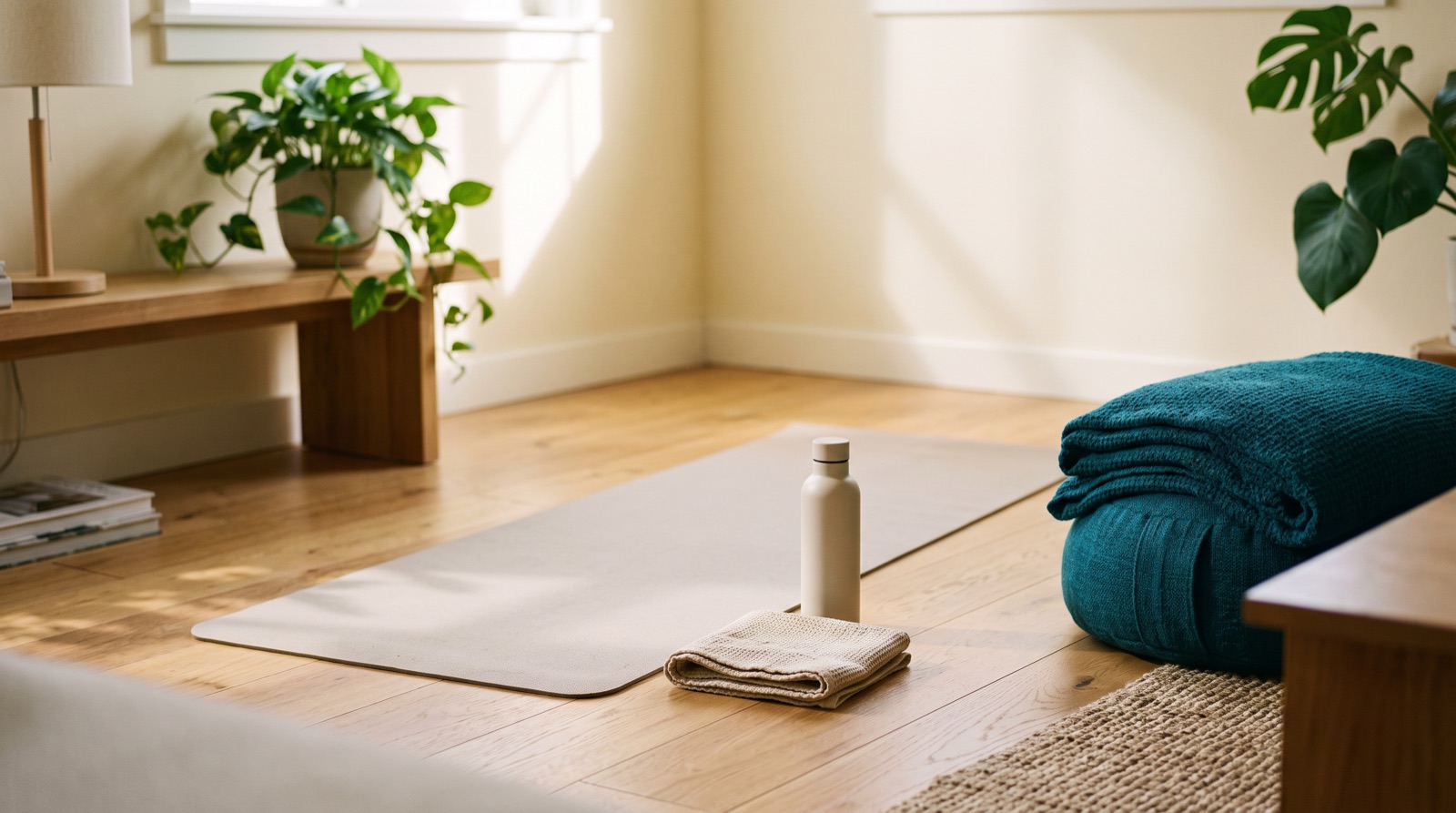
Home can be a useful place to build recovery routines, but staying home does not replace addiction treatment. The right plan depends on the substance involved, your health, and whether withdrawal or another condition needs in-person care. SAMHSA: Treatment options for substance use disorders
Fighting addiction is not easy, and a lot of people struggle with it while spending long stretches at home. These nine tips can help you avoid relapsing: keep in touch with loved ones, attend online meetings, stay busy, eat well and sleep, try yoga, meditate, work out, learn something new, and work from a to-do list.
One caution first. Do not attempt sudden withdrawal from heavy alcohol use or regular benzodiazepine use without medical guidance. These withdrawals can be dangerous. NIAAA: Cutting down or quitting alcohol
The same goes for benzodiazepines. ASAM: 2025 benzodiazepine tapering guideline
For opioid use disorder, medical treatment with medication should be discussed, because detoxification alone is not recommended. CDC: Treating Opioid Use Disorder
Keep in Touch With Your Loved Ones
You can get a lot of emotional support from family members and friends who know about your addiction. Make sure that you open up about your cravings and keep in touch with your loved ones. They can help you stay on your recovery journey and avoid relapsing while at home.
You can stay in contact with your family members and friends by phone or by video call. Ideally, you'd want to schedule a call once or twice a week, just as if you were going to a support group in your city. Be specific about what helps, whether that means listening, coming with you to an appointment, or spending time together without alcohol or drugs. Having the support of your loved ones can be huge during tough times.
Attend Online Meetings With Professionals
Apart from chats with supportive family members and friends, you can also get professional help online. For those taking Suboxone for opioid use disorder, Recovery Delivered offers video visits with licensed providers. New patients pick up their medication at a local pharmacy, and delivery is only for patients on monthly visits.
To make appointments easier to attend, choose a private place for visits, check your connection, and keep appointment details where you can find them. Telehealth can help when travel is difficult, but some symptoms require a local examination or emergency care.
Online peer meetings are another option, and you can join from the comfort of your own home. They should support your treatment choices. NA World Services virtual meeting resources lists meetings, and we cover the advantages of taking your Narcotics Anonymous meetings online in a separate post.
If you take medication, take it as prescribed and track refill dates. Store it away from children, visitors, and anyone for whom it was not prescribed. Do not share medication or adjust your dose in response to a difficult day without clinical advice.
Make Sure That You Stay Busy at Home
People who are recovering from drug or alcohol use have certain triggers or soft spots that might make them relapse. For example, getting angry or being lonely are two important triggers that can pull people back to old and unhealthy habits. This is true whether the substance was alcohol, opioids, or another drug.
Another important trigger is boredom. If you don't have anything to do at home, old habits will start to pull at you.
How to prevent a relapse? Staying busy helps. Do something you like and make sure that you always have something to do.
For example, you might want to catch up on your reading and finish your favorite novel. You could also binge-watch your preferred sitcoms or play video games.
If you are home most of the time, you might as well be entertained. Long empty stretches are when the idea of using can pop into your head, so plan something for them.
Eat Healthy and Get Plenty of Sleep
Another moment when you are an easy target for cravings is when you are hungry. Make sure that you eat regularly and do your best to eat healthy foods.
For example, try some yogurt with oatmeal in the morning instead of pizza or other greasy food. Replace your hamburgers with a veggie salad and some chicken breast. You will feel much better after it.
Regular meals, comfortable movement, and sleep routines support general health. They are not proven substitutes for medication treatment and cannot guarantee that cravings disappear. Make sure that you also drink plenty of water to stay hydrated. If alcohol is part of the picture, read what a detox from alcohol looks like before you try to stop.
Another important thing is to get enough sleep. A good night's sleep or even an afternoon nap can make a stressful day easier to handle.
Each time you resist the cravings, they can become weaker and you become stronger mentally. Getting enough sleep can play an important role here, so make sure that you catch up on your "zzz" time.
Do Yoga to Release Stress
Yoga is a popular way to ease stress and improve your emotional wellbeing. This ancient type of physical activity has been practiced for thousands of years. You can start doing yoga in the comfort of your house by watching YouTube videos.
Many people find that the slow movement and steady breathing help them relax, and feeling calmer can make a craving easier to sit through. Practicing yoga several times a week for about 20 to 30 minutes is a reasonable place to start.
Meditate for a Few Minutes Each Day
Just like doing yoga, meditation can be a way to ease stress and reach a clearer state of mind. You might notice the room around you or focus briefly on your breathing. Some people find it helps them feel more in control when life gets complicated.
Mindfulness research shows mixed results for substance use outcomes. Some people find these practices uncomfortable or distressing. Stop and try another approach if that happens. NCCIH: Mindfulness evidence and safety
If it suits you, about 10 minutes every day is enough to make it a habit.
Start Working Out at Home
You do not need a gym to exercise. Create your own workout schedule to help you stay in shape and give your day some structure. For example, one or two days a week could be reserved for doing yoga as mentioned earlier.
The other days can be used for simple physical exercises that can be done at home. Most people do basic calisthenics. This means doing exercises that don't require equipment, such as push-ups and squats. As always, YouTube is your friend when it comes to home workouts for beginners.
Working out at home gives you something to focus on other than alcohol or other drugs. Choose activities that fit your physical condition instead of setting ambitious goals that become another source of pressure.
Learn a New Skill or Craft
If you still have plenty of free time, there's so much more you can do to improve yourself and support your recovery. For example, you can learn a new skill such as playing an instrument. When was the last time you played the guitar? Now would be a good time to do it.
You can also use this time to learn new skills related to your job. For example, IT experts learn a new programming language. Designers try new creation software or design programs to improve their skills. Others take additional online courses to earn a promotion. There are many things you can do to stay productive at home.
Have a To-Do List and Work From It Every Day
It's much easier to keep all these pieces of advice in check if you create a to-do list. Such a list helps you stay organized and it also motivates you. Create a to-do list with no more than 10 items every day. Check those items off as you complete them and keep track of your progress.
If you don't know what to add to your to-do list, don't worry. This list shouldn't be complicated. For example, you can add things such as "do 10 push-ups" or "read 50 pages". These tasks are easy to accomplish and give you a confidence boost every time you complete them. Missing part of the routine is a reason to restart with the next step, not to abandon it.
Apart from creating to-do lists, you might also want to write some of your experiences in a private journal. Write down the situations, feelings, or practical problems that make recovery harder, and what you can do next: move to another room, leave a setting, call someone, or contact your clinician. Write about your progress and how you feel. When you write things down, your cravings can lose some of their power.
Increasing cravings or withdrawal symptoms deserve a treatment review.
Now You Know More About Fighting Addiction at Home
As you can see, fighting addiction becomes more manageable if you have a strategic approach and stay busy. It's important to involve your loved ones to get as much help as you can. If you have a therapist or counselor, stay in contact with them as well.
Prepare for urgent situations too. Keep naloxone available when opioid exposure is possible, and teach someone nearby how to use it. If a person cannot be awakened or is breathing slowly or not at all, give naloxone if available and call 911. CDC: Responding to an Overdose
A home recovery plan should make getting help easier, not replace it.
Start Suboxone treatment online. You can see one of our Suboxone doctors online, by video. The first visit is $89. Follow-up visits are $50 weekly, $75 every two weeks or $89 monthly. Visits are cash pay, and medication is priced separately.
Loading this video connects your browser to YouTube (www.youtube.com).